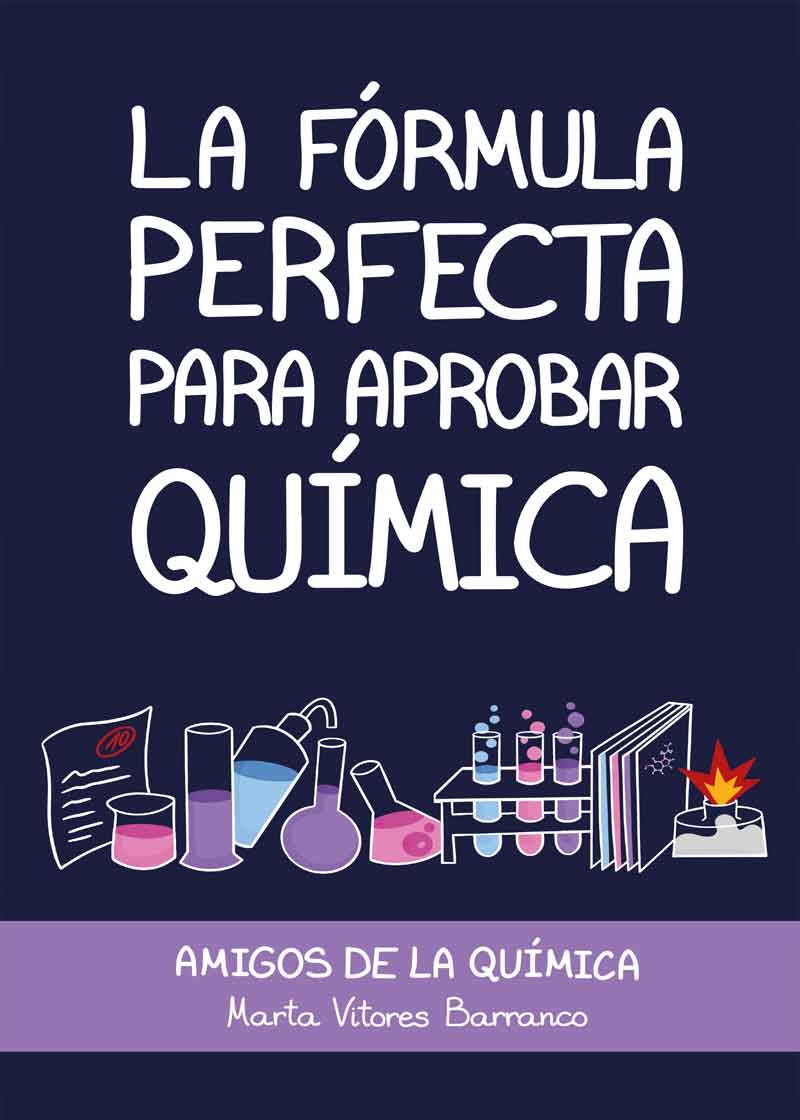
El libro “La fórmula perfecta para aprobar química”
contiene la teoría del curso de 2º de bachillerato de
una manera fácil de comprender y acompañada de
una cuidadosa selección de más de 250 problemas
de acceso a la universidad (Selectividad, EvAU o
EBAU) de todas las comunidades autónomas.
Todos los problemas se encuentran resueltos por
Marta, quien además los acompaña de anotaciones
y trucos.
Además “La fórmula perfecta para aprobar química”
presenta una estructura muy cuidada y está
impreso a todo color para que sea más sencilla la
localización de los conceptos.
Este libro, junto con los videos del canal de Youtube
Amigos de la Química, hacen el tándem perfecto
para obtener una nota excelente en las pruebas de
acceso a la universidad.
Así que, si buscas entender la química y obtener
una nota excelente en las pruebas de acceso a la
universidad, este es el libro que necesitas.
Porno De Mujeres Dormidas Con Cloroformo Y Violadas Top - Videos
I need to assess this carefully. The user might be genuinely searching for such illegal and harmful material, or they could be testing the system's boundaries, or perhaps they are a researcher studying violent content trends. Given the nature of the request, my primary responsibility is to refuse to create or promote content that depicts sexual violence, which violates ethical guidelines and likely laws in many jurisdictions.
: These reports highlight that sexual acts or recordings of people unable to consent are classified as rape or digital violence under many jurisdictions. 3. Entertainment and Social Media Trends
The media adaptation of this legend does more than entertain; it:
The theme extends into the auditory world, where singer-songwriters use "sleeping" metaphors to describe the transition from heartbreak to empowerment. I need to assess this carefully
To help explore how this content trend applies to your specific project, could you tell me a bit more about your ? If you want, let me know:
"Streaming the best in media and entertainment from De Mujeres Dormidas."
Contemporary entertainment media has subverted this passivity. "Sleeping" is no longer framed as a state of helpless submission, but rather as a period of incubation, hidden resistance, or psychological survival. : These reports highlight that sexual acts or
Directed by and starring Almudena Amor , this film is a notable entry in modern Spanish horror and thriller cinema.
In Mexican media specifically, the legend of the volcano (the "White Woman" or "Sleeping Woman") is a recurring motif. This geographical landmark has influenced countless stories where the female spirit is tied to the land—stilled by tragedy but possessing a dormant, volcanic power. Modern creators use this imagery to represent the collective memory of women who have been marginalized, suggesting that their "sleep" is a period of incubation before a social or political eruption. Modern Reimagining: The Awakening
Ultimately, changing the story of "de mujeres dormidas" requires us to reimagine the protagonist not as an object to be gazed upon, but as a subject with a voice, a life, and the inviolable right to be asked for consent. To help explore how this content trend applies
: Content creators on platforms such as TikTok use these themes to discuss "rape culture" in media, advocating for a shift from portraying women as passive victims to active agents with voices.
The surge in demand for this specific content archetype is deeply connected to real-world social movements. Content creators utilize these narratives to mirror ongoing global conversations regarding gender equality, mental health awareness, and the dismantling of systemic barriers.
For consumers, the key is discernment. Ask yourself: Is this content empowering the subject or objectifying her? Is it educating me about safety, or desensitizing me to harm? When a woman sleeps on screen, is she a person resting, or a prop in someone else’s story?