Android
Download app for Android today
Download for Android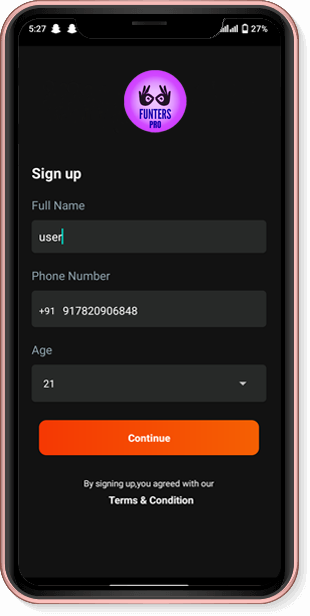


 1
1
 2
2
 3
3
 4
4
Ultimately, the Tante vs Ponakan debate serves as a reminder that the online world is diverse, multifaceted, and constantly shifting. By engaging with these issues and exploring the complexities of online relationships, we can gain a deeper appreciation for the intricate web of interactions that shape our digital lives.
Based on the concerns and implications discussed in this article, we recommend:
When comparing the dynamics of Tante vs Ponakan in the context of a 'full link,' it's essential to consider the nuances of familial relationships. Each relationship within a family structure has its unique characteristics, influenced by personality, shared experiences, and the roles individuals play within the family.
While exploring these topics, it's essential to prioritize sensitivity, respect, and consent. The discussion of such themes should not be taken as promoting or endorsing any form of exploitation, abuse, or harm. Rather, our aim is to provide an informative and neutral overview of the topic, highlighting its complexities and nuances.
As we navigate the digital world, it's vital to prioritize online safety, respect, and responsibility. When engaging with content related to "tante vs ponakan full link," users should be aware of the potential risks and implications, including:
Interviews and segments exploring the supportive relationship between aunts and nieces.
| Mistake | Why it’s wrong | Correct form | |---------|----------------|--------------| | Calling a “ tante ” and a non‑blood older woman “ bibi ” | Bibi is actually the Malay word for maternal aunt ; using it for non‑blood people can sound odd. | Use tante for both biological and affectionate non‑blood “aunt” roles. | | Referring to a cousin as “ ponakan ” | Ponakan only applies to the child of a sibling, not a sibling’s child’s sibling. | Use sepupu for cousin. | | Mixing gender: saying “ ponakan perempuan ” when you mean “ nephew ” | Perempuan = female; wrong gender. | Use ponakan laki‑laki for nephew. | | Using “ tante ” in formal legal documents without specifying relationship | May cause ambiguity about inheritance rights. | Write “ tante (nama lengkap), saudara kandung ayah/ibu ”. |
In conclusion, while the term "Tante vs Ponakan full link" may seem obscure or specific, it opens up broader discussions about family dynamics, online safety, and societal norms. By engaging with these topics thoughtfully and critically, we can work towards creating a safer, more respectful, and more informed digital community for all.





Ultimately, the Tante vs Ponakan debate serves as a reminder that the online world is diverse, multifaceted, and constantly shifting. By engaging with these issues and exploring the complexities of online relationships, we can gain a deeper appreciation for the intricate web of interactions that shape our digital lives.
Based on the concerns and implications discussed in this article, we recommend:
When comparing the dynamics of Tante vs Ponakan in the context of a 'full link,' it's essential to consider the nuances of familial relationships. Each relationship within a family structure has its unique characteristics, influenced by personality, shared experiences, and the roles individuals play within the family. tante vs ponakan full link
While exploring these topics, it's essential to prioritize sensitivity, respect, and consent. The discussion of such themes should not be taken as promoting or endorsing any form of exploitation, abuse, or harm. Rather, our aim is to provide an informative and neutral overview of the topic, highlighting its complexities and nuances.
As we navigate the digital world, it's vital to prioritize online safety, respect, and responsibility. When engaging with content related to "tante vs ponakan full link," users should be aware of the potential risks and implications, including: Ultimately, the Tante vs Ponakan debate serves as
Interviews and segments exploring the supportive relationship between aunts and nieces.
| Mistake | Why it’s wrong | Correct form | |---------|----------------|--------------| | Calling a “ tante ” and a non‑blood older woman “ bibi ” | Bibi is actually the Malay word for maternal aunt ; using it for non‑blood people can sound odd. | Use tante for both biological and affectionate non‑blood “aunt” roles. | | Referring to a cousin as “ ponakan ” | Ponakan only applies to the child of a sibling, not a sibling’s child’s sibling. | Use sepupu for cousin. | | Mixing gender: saying “ ponakan perempuan ” when you mean “ nephew ” | Perempuan = female; wrong gender. | Use ponakan laki‑laki for nephew. | | Using “ tante ” in formal legal documents without specifying relationship | May cause ambiguity about inheritance rights. | Write “ tante (nama lengkap), saudara kandung ayah/ibu ”. | Each relationship within a family structure has its
In conclusion, while the term "Tante vs Ponakan full link" may seem obscure or specific, it opens up broader discussions about family dynamics, online safety, and societal norms. By engaging with these topics thoughtfully and critically, we can work towards creating a safer, more respectful, and more informed digital community for all.
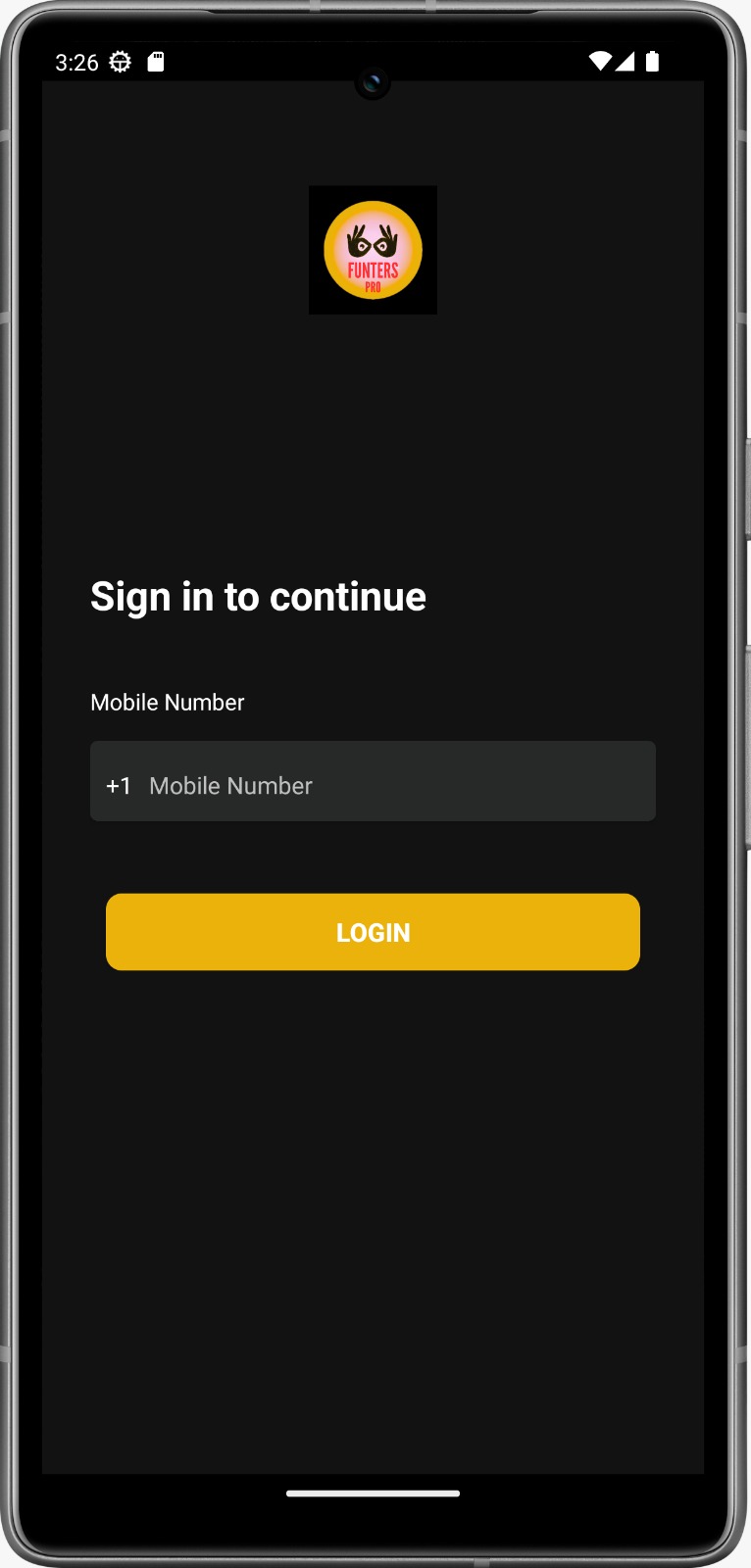
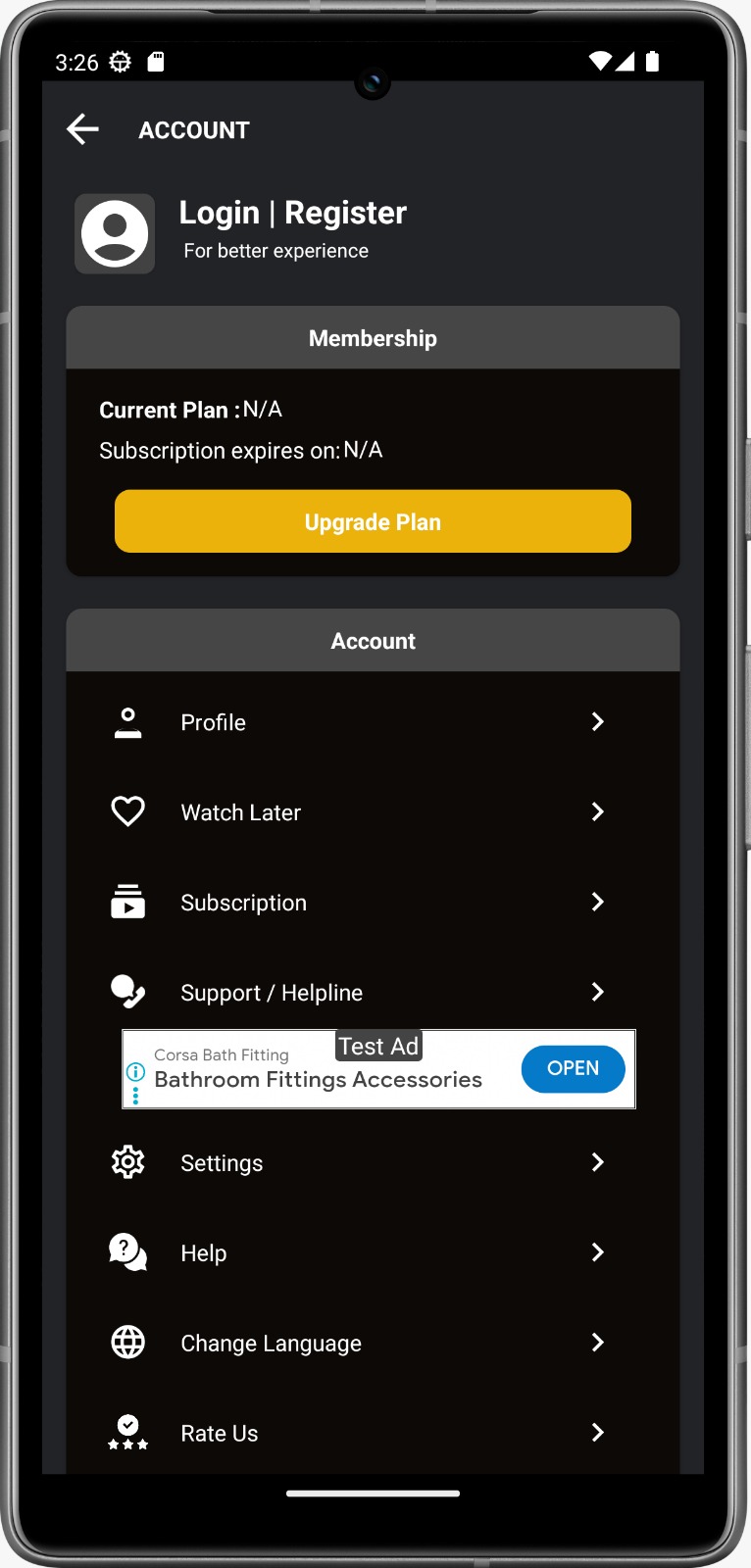
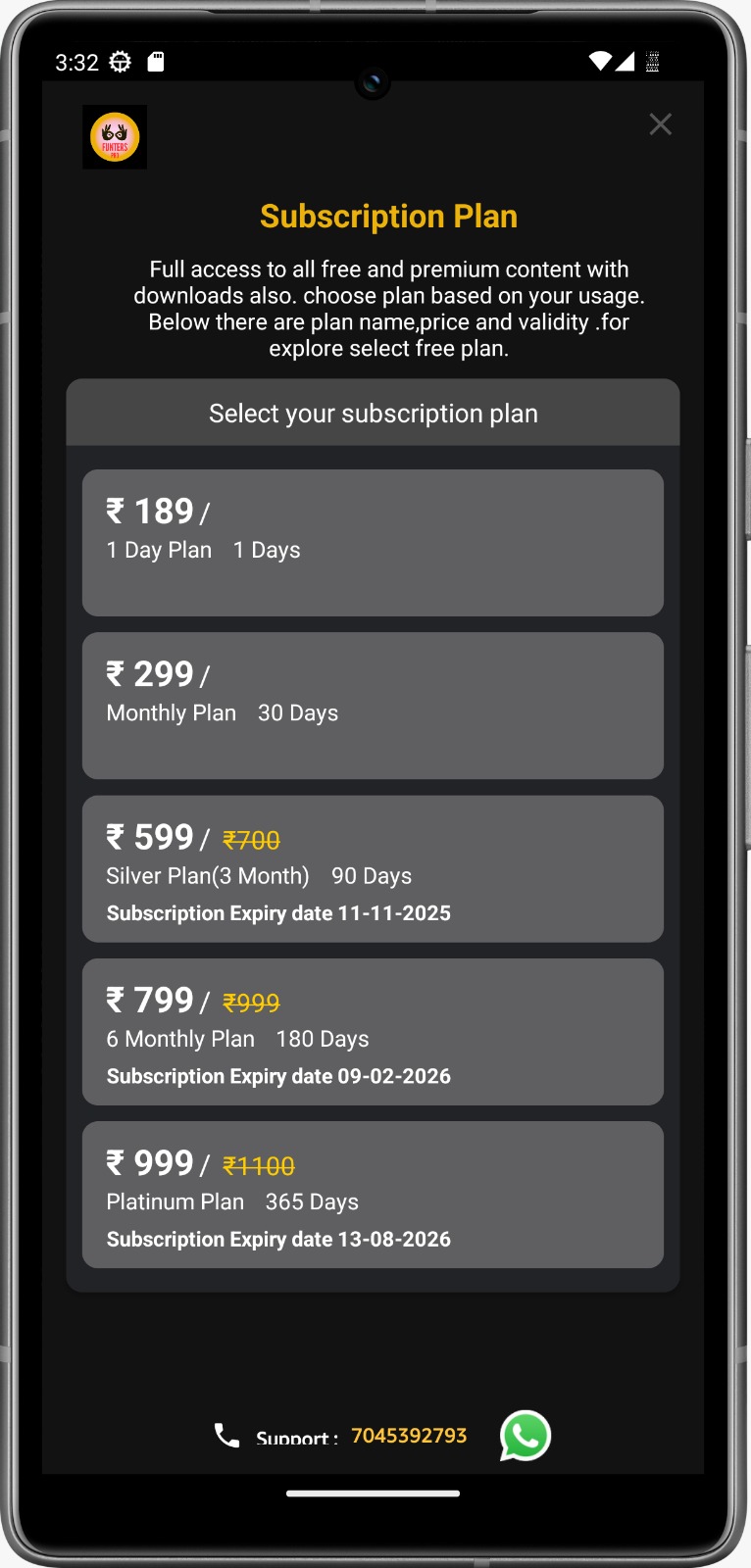
FuntersPro a product of G AND J MEDIA ENTERTAINMENT LLP fully loaded with entertaining content. Get popular movies, amazing web series and more, all in the language you prefer. App is bundled with power pack features such as save offline videos, TV casting, create watchlist, etc. to make your life easier. Download FuntersPro App now and enter in the world of entertainment.