Open source RGB lighting control that doesn't depend on manufacturer software


One of the biggest complaints about RGB is the software ecosystem surrounding it. Every manufacturer has their own app, their own brand, their own style. If you want to mix and match devices, you end up with a ton of conflicting, functionally identical apps competing for your background resources. On top of that, these apps are proprietary and Windows-only. Some even require online accounts. What if there was a way to control all of your RGB devices from a single app, on both Windows and Linux, without any nonsense? That is what OpenRGB sets out to achieve. One app to rule them all.


Version 1.0rc2, additional downloads and versions on Releases page

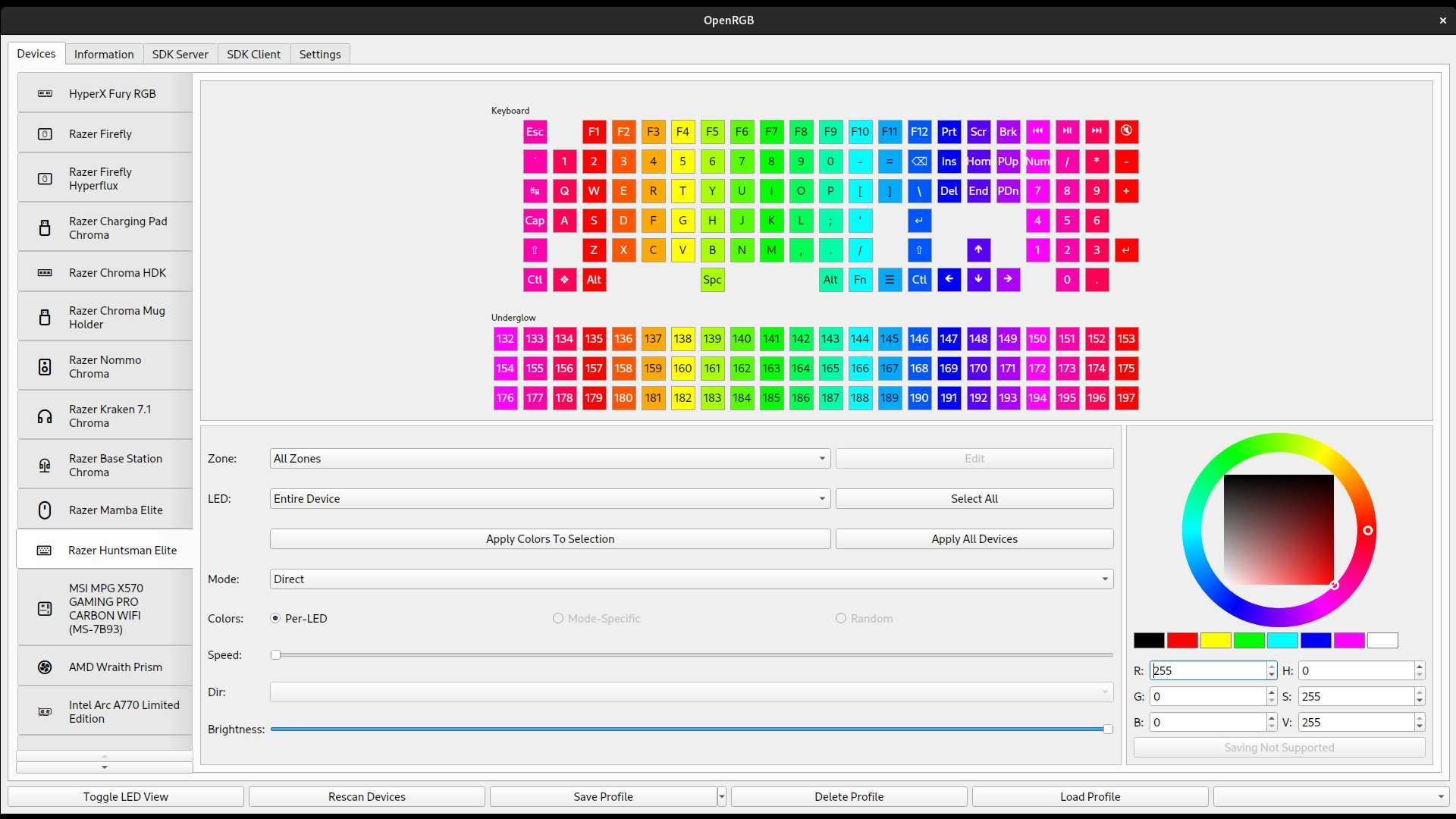
OpenRGB user interface

Control RGB without wasting system resources

Lightweight User Interface

OpenRGB keeps it simple with a lightweight user interface that doesn't waste background resources with excessive custom images and styles. It is light on both RAM and CPU usage, so your system can continue to shine without cutting into your gaming or productivity performance.

OpenRGB rules them all

Control RGB from a single app

Eliminate Bloatware

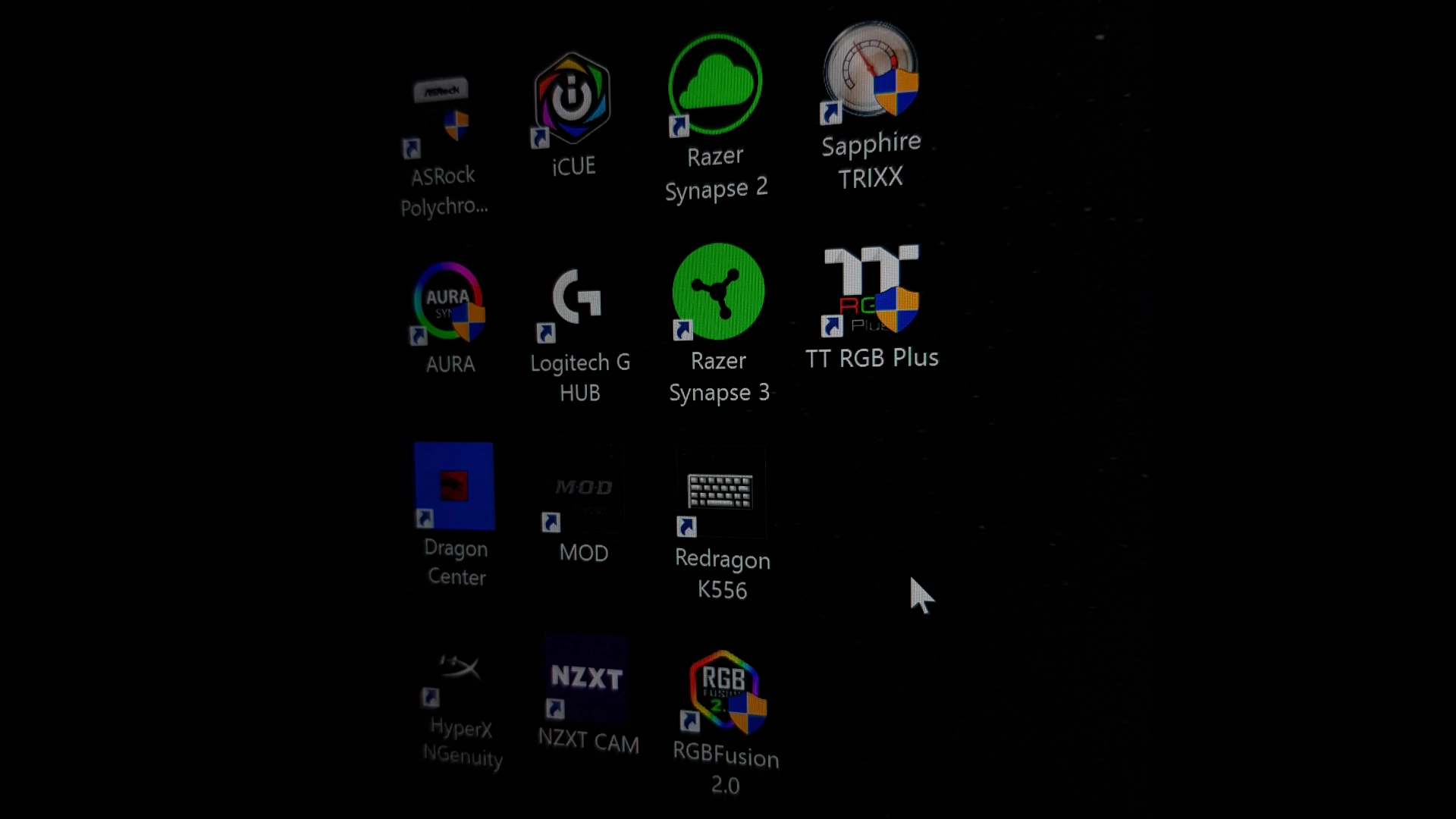
If you have RGB devices from many different manufacturers, you will likely have many different programs installed to control all of your devices. These programs do not sync with each other, and they all compete for your system resources. OpenRGB aims to replace every single piece of proprietary RGB software with one lightweight app.

OpenRGB is open source software

Contribute your RGB devices

Open Source

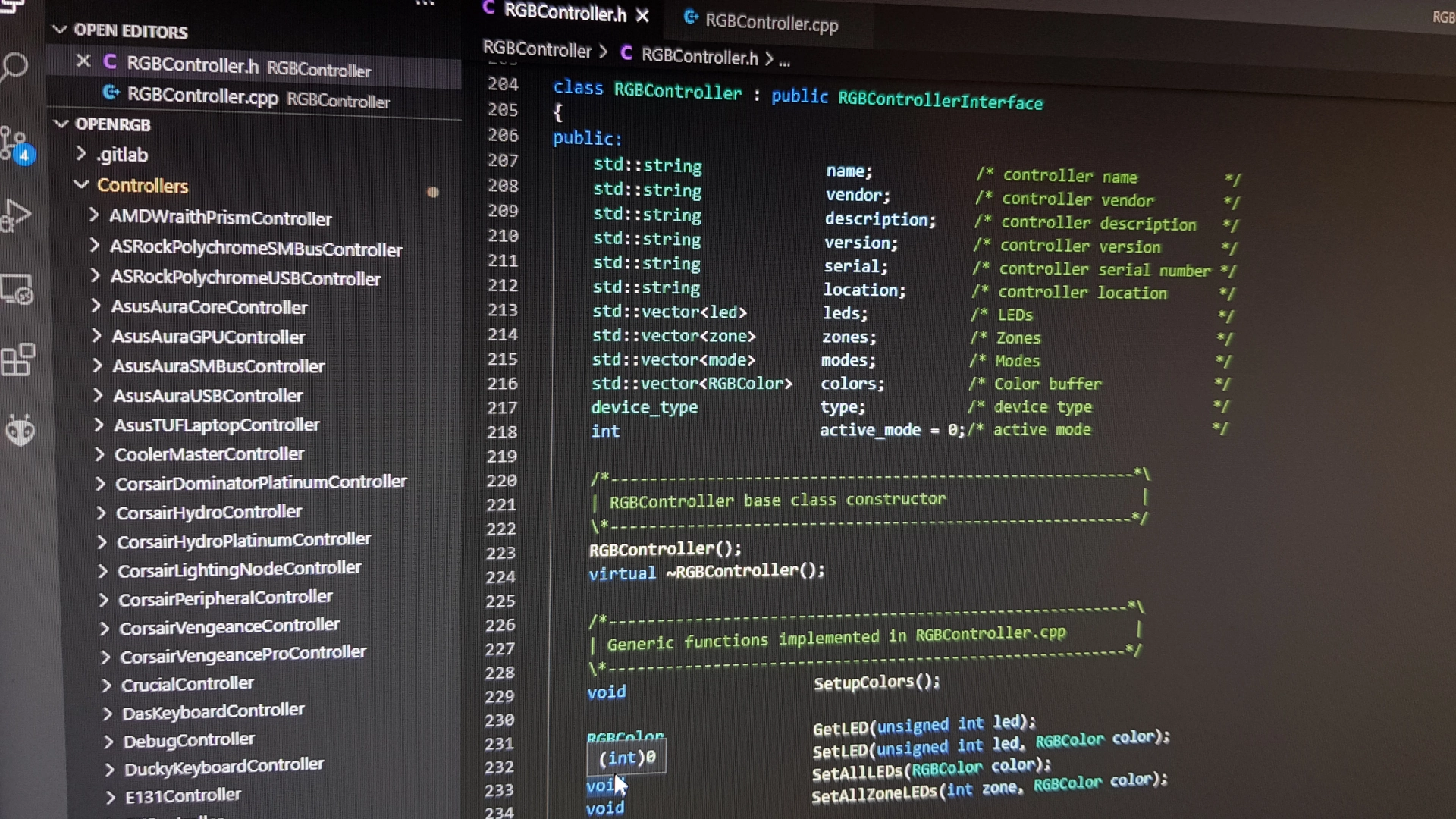
OpenRGB is free and open source software under the GNU General Public License version 2. This means anyone is free to view and modify the code. If you know C++, you can add your own device with our flexible RGB hardware abstraction layer. Being open source means more devices are constantly being added!


Check out the source code on GitLab
OpenRGB is Cross-Platform

Control RGB on Windows, Linux, and MacOS

Cross-Platform

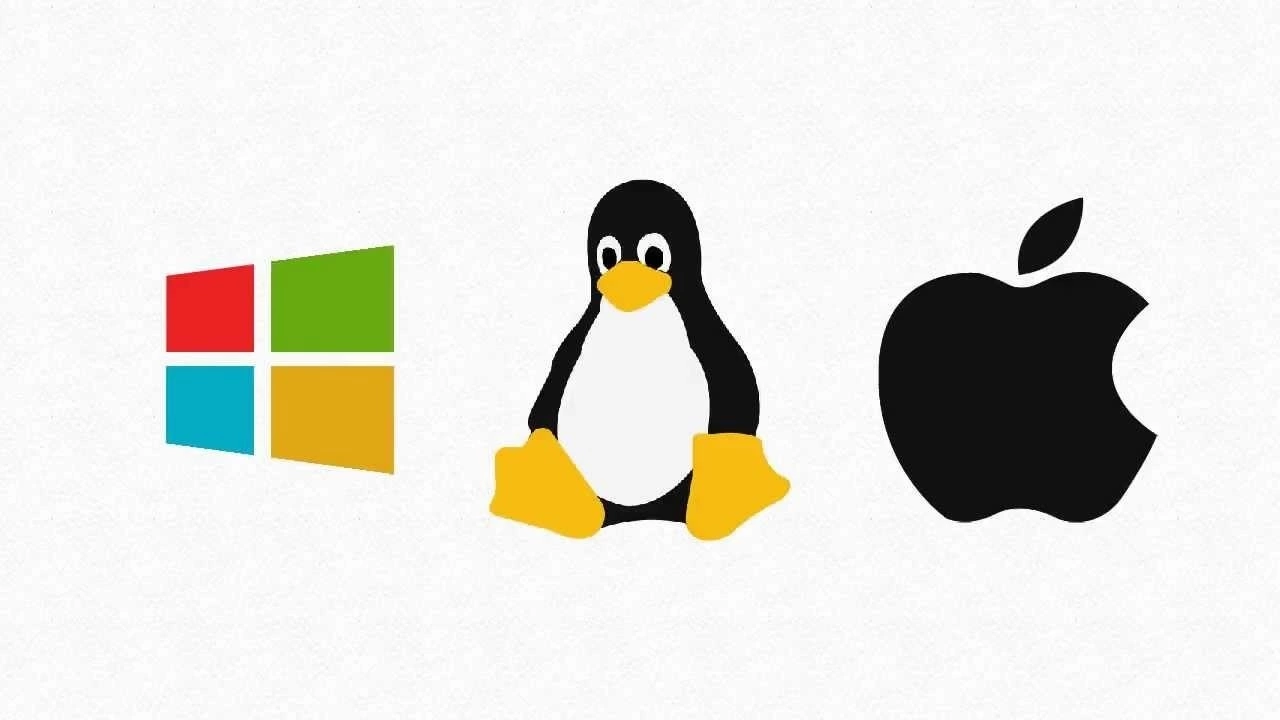
OpenRGB runs on Windows, Linux and MacOS. No longer is RGB control a Windows-exclusive feature! OpenRGB has been tested on X86, X86_64, ARM32, and ARM64 processors including ARM mini-PCs such as the Raspberry Pi.

Subnautica 68598 -

: The sea-floor uses a voxel terrain system, allowing for the destruction of objects and minor modifications through explosions or vehicle impacts. No Weapons

In the playable world, you are the survivor. You are the top of the food chain, eventually. You conquer the depths. But in the glitched sectors, you are not a survivor; you are an anomaly. You are interacting with the game's engine in ways it was never designed to handle.

This synchronization created an unintended side effect in the gaming community: subnautica 68598

Unofficial distribution groups frequently packaged cracked copies of Subnautica precisely at Build 68598 because it lined up with functional multiplayer server files.

It is the final milestone version before the 2.0 engine migration. : The sea-floor uses a voxel terrain system,

that never received updates for the Living Large expansion. Modding Supremacy: QMods vs. BepInEx

: Players who spent hundreds of hours constructing massive underwater mansions choose this version to bypass base-building physics adjustments that could otherwise clip structures into terrain or break localized power grids. You conquer the depths

Moved the game to a newer version of the Unity engine, improving performance and fixing long-standing bugs like jittery movement on land. Common Reports & Issues

Steam will automatically download the necessary files to revert your game to this build. The Trade-off

If you are looking for a "report" regarding this specific version, it is likely related to one of the following:

Technically, this version number is often cited in the context of the . Because modding large-scale games requires exact version matching between the game files and the mod’s framework, 68598 became the "anchor version" for players attempting to dive into Planet 4546B with friends. Technical Context and Multi-Platform Differences