
1732
home,wp-singular,page-template-default,page,page-id-1732,wp-theme-bridge,wp-child-theme-bridge-child,bridge-core-2.2.8,,vertical_menu_enabled,qode-title-hidden,side_area_uncovered_from_content,transparent_content,qode-child-theme-ver-1.0.0,qode-theme-ver-21.5,qode-theme-bridge,disabled_footer_top,disabled_footer_bottom,qode_header_in_grid,wpb-js-composer js-comp-ver-8.7.2,vc_responsive,elementor-default,elementor-kit-615,elementor-page elementor-page-1732

Shemale Ass Wide Open Portable !!exclusive!!

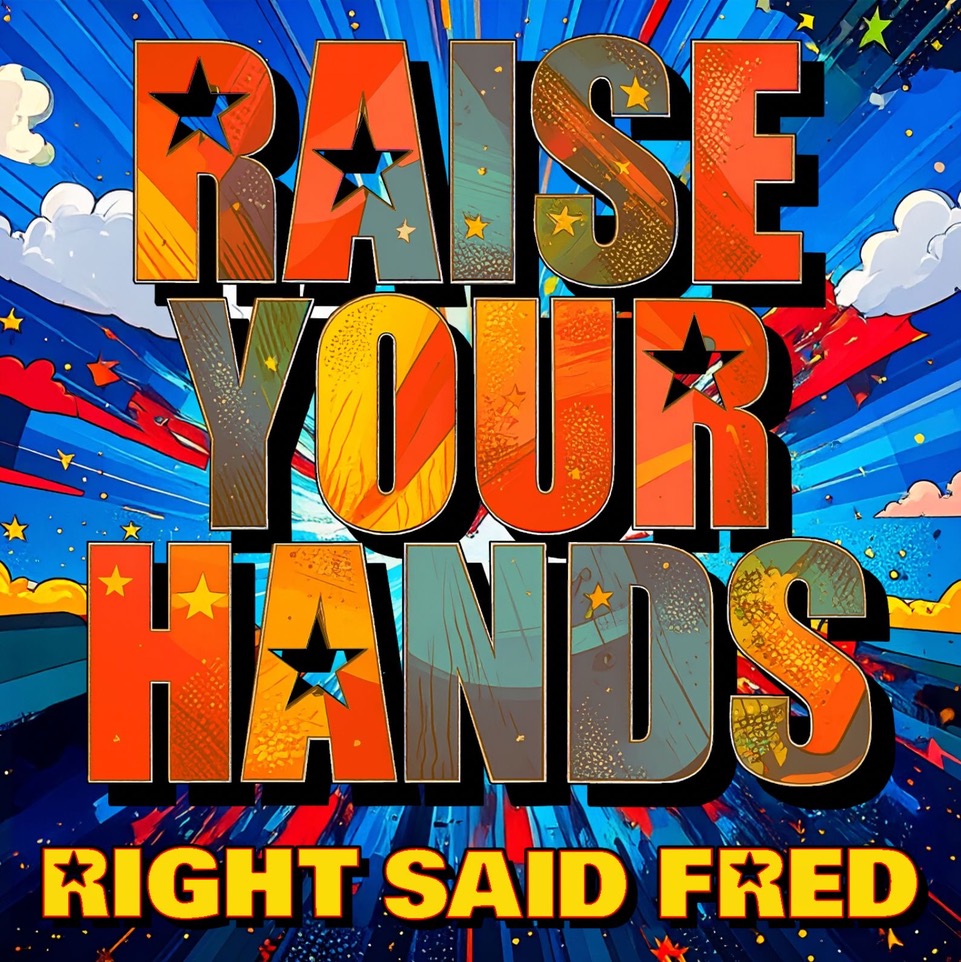
RELEASED ON FEBRUARY 20TH 2026.

Available to Stream Now

Shemale Ass Wide Open Portable !!exclusive!!

This distinction has sometimes led to tension. Early gay and lesbian movements, in a bid for social acceptance, occasionally excluded or marginalized transgender people, seeking to present a more “palatable” image of same-sex attraction that was distinct from gender nonconformity. This "respectability politics" was a painful chapter, one that the modern LGBTQ movement has largely, though imperfectly, worked to overcome. Today, the consensus within LGBTQ culture is clear: transgender rights are LGBTQ rights, and excluding the "T" weakens the entire coalition.

The intersection of racism and transphobia creates disproportionate dangers. Black and Latine transgender women face alarming rates of fatal violence, housing insecurity, and employment discrimination compared to other segments of the LGBTQ+ community.

Before the mid-20th century, underground bars and cafes served as the only safe havens for the entire spectrum of queer people. The turning point of the modern movement—the 1969 Stonewall Riots in New York City—was catalyzed largely by transgender women of colour, drag queens, and butch lesbians. Figures like Marsha P. Johnson and Sylvia Rivera fought against police brutality, demanding dignity not just for gay men and lesbians, but for the street queens and homeless trans youth who were often rejected by mainstream society. SGE and Early Organizing

As society continues to evolve, the integration of the transgender community into the cultural consciousness challenges everyone to look beyond strict binaries. By embracing trans narratives, LGBTQ+ culture becomes more authentic, inclusive, and reflective of the diverse spectrum of human identity. True progress is achieved not by erasing differences, but by ensuring that the most marginalized voices are uplifted, protected, and celebrated. To help me tailor this to your needs, tell me: shemale ass wide open portable

As visibility has increased, so too has political backlash. The transgender community currently faces a wave of legislative challenges regarding access to gender-affirming healthcare, participation in sports, and the right to use public facilities that align with their identity. In response, broader LGBTQ+ civil rights organizations have shifted their primary legislative and legal resources toward defending trans rights, recognizing that the attack on bodily autonomy threatens the entire queer community. Summary of Core Contributions Area of Impact Key Contributions to LGBTQ+ Culture

: Requires diligent maintenance (powdering/washing), and the porous material has a shorter lifespan than medical-grade silicone. Recommendation

Yet, despite these distinctions, the transgender community has historically been the "shock troops" of the LGBTQ rights movement. When police raided the Stonewall Inn in 1969, it was trans women of color—Marsha P. Johnson and Sylvia Rivera—who threw the first bricks and bottles. Their fight was not just for the right to love the same gender, but for the right to exist in their authentic gender presentation without being arrested for "cross-dressing." This distinction has sometimes led to tension

The keyword "shemale ass wide open portable" may seem provocative or explicit, but it highlights the intersection of identity, technology, and human experience. The term could be interpreted as a reference to the ways in which individuals express their identities and desires through digital means, or the ways in which technology enables people to explore and understand their own identities.

The transgender community and LGBTQ+ culture represent a rich, complex tapestry of history, resilience, and evolving identity. Long existing before modern labels, these communities have moved from the shadows of history into a global movement for legal and social recognition.

Transgender and LGBTQ+ culture is often defined by "found family" and unique social spaces that provide safety and support. Seven Things About Transgender People That You Didn't Know Today, the consensus within LGBTQ culture is clear:

When police raided the Stonewall Inn in Greenwich Village, New York City, it was the trans women of color, gender-nonconforming street youth, and lesbians who fought back first. Icons like Marsha P. Johnson and Sylvia Rivera became central figures of this resistance. Their anger transformed a routine police raid into a multi-day uprising that served as the catalyst for the modern gay liberation movement. Radical Organizing

To understand LGBTQ+ culture today, one must look at the physical spaces where the modern movement began. In the mid-20th century, anti-queer laws and police harassment forced the entire community into the margins. It was within these margins that transgender women, gender-nonconforming people, and drag queens established critical safe havens. The Compton’s Cafeteria Riot (1966)

shemale ass wide open portable

The Singles

Due to the demand we have now made a red vinyl edition of ‘The Singles’ album available . . .

Read More »

This distinction has sometimes led to tension. Early gay and lesbian movements, in a bid for social acceptance, occasionally excluded or marginalized transgender people, seeking to present a more “palatable” image of same-sex attraction that was distinct from gender nonconformity. This "respectability politics" was a painful chapter, one that the modern LGBTQ movement has largely, though imperfectly, worked to overcome. Today, the consensus within LGBTQ culture is clear: transgender rights are LGBTQ rights, and excluding the "T" weakens the entire coalition.

The intersection of racism and transphobia creates disproportionate dangers. Black and Latine transgender women face alarming rates of fatal violence, housing insecurity, and employment discrimination compared to other segments of the LGBTQ+ community.

Before the mid-20th century, underground bars and cafes served as the only safe havens for the entire spectrum of queer people. The turning point of the modern movement—the 1969 Stonewall Riots in New York City—was catalyzed largely by transgender women of colour, drag queens, and butch lesbians. Figures like Marsha P. Johnson and Sylvia Rivera fought against police brutality, demanding dignity not just for gay men and lesbians, but for the street queens and homeless trans youth who were often rejected by mainstream society. SGE and Early Organizing

As society continues to evolve, the integration of the transgender community into the cultural consciousness challenges everyone to look beyond strict binaries. By embracing trans narratives, LGBTQ+ culture becomes more authentic, inclusive, and reflective of the diverse spectrum of human identity. True progress is achieved not by erasing differences, but by ensuring that the most marginalized voices are uplifted, protected, and celebrated. To help me tailor this to your needs, tell me:

As visibility has increased, so too has political backlash. The transgender community currently faces a wave of legislative challenges regarding access to gender-affirming healthcare, participation in sports, and the right to use public facilities that align with their identity. In response, broader LGBTQ+ civil rights organizations have shifted their primary legislative and legal resources toward defending trans rights, recognizing that the attack on bodily autonomy threatens the entire queer community. Summary of Core Contributions Area of Impact Key Contributions to LGBTQ+ Culture

: Requires diligent maintenance (powdering/washing), and the porous material has a shorter lifespan than medical-grade silicone. Recommendation

Yet, despite these distinctions, the transgender community has historically been the "shock troops" of the LGBTQ rights movement. When police raided the Stonewall Inn in 1969, it was trans women of color—Marsha P. Johnson and Sylvia Rivera—who threw the first bricks and bottles. Their fight was not just for the right to love the same gender, but for the right to exist in their authentic gender presentation without being arrested for "cross-dressing."

The keyword "shemale ass wide open portable" may seem provocative or explicit, but it highlights the intersection of identity, technology, and human experience. The term could be interpreted as a reference to the ways in which individuals express their identities and desires through digital means, or the ways in which technology enables people to explore and understand their own identities.

The transgender community and LGBTQ+ culture represent a rich, complex tapestry of history, resilience, and evolving identity. Long existing before modern labels, these communities have moved from the shadows of history into a global movement for legal and social recognition.

Transgender and LGBTQ+ culture is often defined by "found family" and unique social spaces that provide safety and support. Seven Things About Transgender People That You Didn't Know

When police raided the Stonewall Inn in Greenwich Village, New York City, it was the trans women of color, gender-nonconforming street youth, and lesbians who fought back first. Icons like Marsha P. Johnson and Sylvia Rivera became central figures of this resistance. Their anger transformed a routine police raid into a multi-day uprising that served as the catalyst for the modern gay liberation movement. Radical Organizing

To understand LGBTQ+ culture today, one must look at the physical spaces where the modern movement began. In the mid-20th century, anti-queer laws and police harassment forced the entire community into the margins. It was within these margins that transgender women, gender-nonconforming people, and drag queens established critical safe havens. The Compton’s Cafeteria Riot (1966)