PCSX2 reads codes from text files with a .pnach extension. You need to create this file manually using your game's unique CRC.
If your CPU struggles to maintain full speed, go to Settings > Emulation and slightly increase the Cycle Skipping slider. Be careful, as excessive skipping causes visual stuttering.
Rename the file to your exact game CRC code followed by the extension .pnach (e.g., 7F23A1B4.pnach ). Ensure it does not end in .pnach.txt .
Enter the PCSX2 60 FPS patch. This isn't just a simple settings tweak; it is a fundamental alteration of the game's internal clock. In this review, I will cover the installation process, the technical wizardry involved, the stability of the results, and whether the visual payoff is worth the potential headaches.
This public link is valid for 7 days and shares a thread, including any personal information you added. This link or copies made by others cannot be deleted. If you share with third parties, their policies apply. Can’t copy the link right now. Try again later.
Open your PCSX2 directory and navigate to the cheats folder. Create a new notepad document. Paste the 60 FPS patch codes into the document.
If you cannot find a 60 FPS patch for your game, there is a brute-force method that PCSX2 added recently: .
Because PS2 developers never intended these games to run at 60 FPS, some patches can cause unintended side effects. Character animations might break, physics might feel floaty, or FMV cutscenes might play at double speed. If a game becomes unplayable, look for an updated version of the patch or a "cutscene fix" code to add to your file.
Set this to Vulkan or Direct3D 12 in your graphics settings for the best modern performance.
If a file exists, open it with a text editor (like Notepad). If it does not exist, create a new text document, paste your 60 FPS patch codes inside, and save it. For Older PCSX2 Versions (v1.6.0 and below) Open your main PCSX2 installation directory.
Locate the folder named cheats (create it if it does not exist). Create a new text document inside this folder.
The directory layout depends entirely on whether you are using the modern versions or the older, legacy PCSX2 1.6.0 version. We highly recommend using the modern Qt versions for the best compatibility and performance. For Modern PCSX2 (Version 1.7 Nightly / 2.0+ Standard) Open your main PCSX2 folder.
STRAIN VISUALIZATION
Cauchy strain or engineering strain is a unitless measurement of how much a material is being stretched or compressed under load.
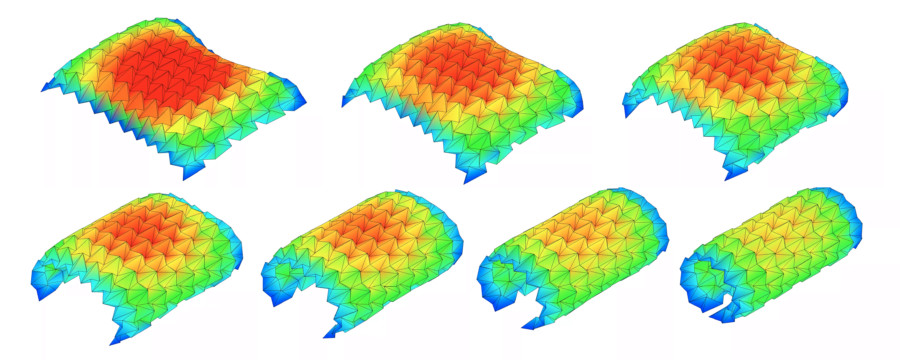
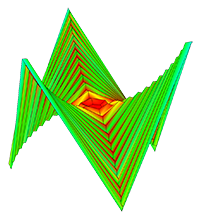
The Strain Visualization illustrates the strain across an origami sheet by mapping it to a color from blue (no strain) to red (max strain).