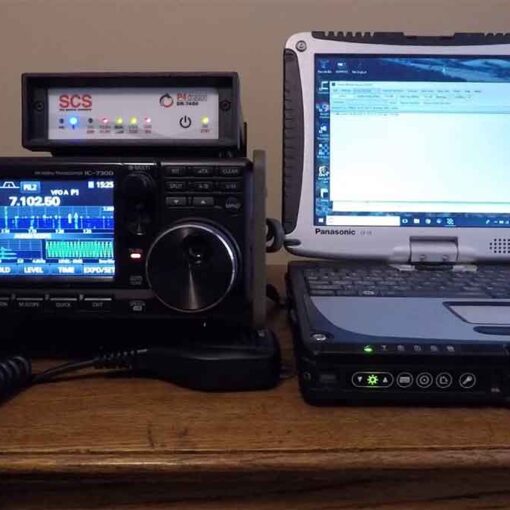
What is PACTOR? PACTOR (or now called PACTOR I) arose to cover the shortcomings of PACKET and AMTOR. It behaves very well […]
Pavmkvm801qcow2 New «Trusted»
If you would like to tune this deployment further, please share:
To understand the performance characteristics and tuning parameters, you must understand how QCOW2 maps data. A qcow2 file consists of:
Previous iterations used gzip for compress qcow2 clusters. The pavmkvm801qcow2 new image is optionally compressed with zstd . This reduces the download size by approximately 15% compared to gzip at the same compression level, but more importantly, it decompresses 4x faster , allowing for rapid VM instantiation. pavmkvm801qcow2 new
The pavmkvm801qcow2 new image is a textbook example of iterative improvement in the open-source virtualization space. It addresses fragmentation, improves security, and leverages modern compression to deliver a superior out-of-the-box experience. Whether you are running a three-node Proxmox cluster or a single KVM host on your laptop, migrating to the "new" version is a low-effort, high-reward task.
: This is the file format for the virtual disk. QCOW2 is preferred for KVM because it supports snapshots and thin provisioning, meaning the file only grows as data is written. The Role of QCOW2 in Modern Virtualization If you would like to tune this deployment
When deploying this image on KVM, the following resources are typically required:
To understand the core components of this keyword, we must break it down into two fundamental pieces of modern IT technology: and KVM/QEMU . This reduces the download size by approximately 15%
While the string "pavmkvm801qcow2" may appear cryptic at first glance, it represents a specific, versioned naming convention for a disk image. The addition of "new" signifies a recent release, patch, or substantial overhaul of this image. This article dives deep into what this file is, why the "new" version matters, how to deploy it, and the performance benchmarks you can expect.
If you are looking for a specific or documentation for this file, could you clarify where you first encountered the name or which software it is intended for?
What specific (Ubuntu, RHEL, Windows Server) are you installing on this image?

One thought on “Yaesu FTDX-10, FT8 & JTDX”
Hello
Well I have to say you are the only person on the web that knows how to tell people how to set up the FTdx10 and the computer… I watched many videos and read many articles and none worked for me… I gave up and my son found your article abt setting it up and had the thing running in abt 40 minutes… I’m going to be using the radio in a remote location 50 km away… Thank you for the great info…
Good DX and 73
Fred W0PE
I have passed your link to a bunch of people…