Image Capture
The first step is to capture an image of the fingerprint. This is typically done using specialized fingerprint scanners, which may utilize different technologies such as optical, capacitive, or ultrasound.
Innovatrics fingerprint recognition is trusted worldwide by governments and businesses for its speed and accuracy, and consistently a top performer in independent biometric benchmarks such as NIST.
Talk to our team
In a Netori context, the narrative energy is often driven by a sense of inevitability, intense charisma, or an overwhelming emotional bond that breaks preexisting barriers.
The "little sister" ( imouto ) archetype is a cornerstone of ACG (Anime, Comic, and Games) culture. In these stories, the "little sister" is rarely a biological relative; instead, she often represents:
Typically, the older brother or protagonist acts as the guardian. In this specific trope package, the younger sister orchestrates a situation where the protagonist becomes completely dependent on her. little sister netori my heart and body belongs
– Even when the sister is non-blood-related, the "little sister" framing activates incest taboos. Critics worry this normalizes inappropriate family dynamics.
"They say we’re bound by blood, but I’d rather be bound by choice. For years, I watched from the sidelines, playing the part of the 'little sister' while you looked at everyone but me. I learned the map of your heart by heart—every crack, every secret you thought you kept. In a Netori context, the narrative energy is
It heightens the stakes of the story, focusing on the jealousy or, conversely, the unwavering, sometimes obsessive, devotion that arises within the family dynamic. The "Little Sister" ( Imouto ) Archetype
She leaned in, her voice dropping to a level that made my heart race uncontrollably. In this specific trope package, the younger sister
The "little sister" (or imouto ) character type has been a staple of Japanese popular media for decades. Initially serving as a wholesome, supportive background character, the archetype underwent a massive transformation in the late 2000s and early 2010s with the explosion of "light novel" adaptations.
The story is told from the perspective of the original partner who is being left behind or betrayed. The focus is heavily placed on feelings of angst, jealousy, helplessness, and emotional despair.
In that moment, the wall I had built didn't just crack; it disintegrated. The weight of her gaze, the gravity of her words, and the sheer audacity of her claim over me felt like an inevitable tide. I realized then that she hadn't just captured my attention—she had claimed my entire existence.
Fingerprint identification is the most widely adopted biometric worldwide, with legal frameworks and standards already in place.
Massive fingerprint archives already exist in law enforcement, border agencies, and civil registries, making integration faster and more effective.
Simple and inexpensive devices can capture fingerprints instantly, in almost any environment, making it easy to deploy at scale.
Proven over decades of forensic and civil use to deliver consistent, reliable matches, even from partial or low-quality fingerprints.
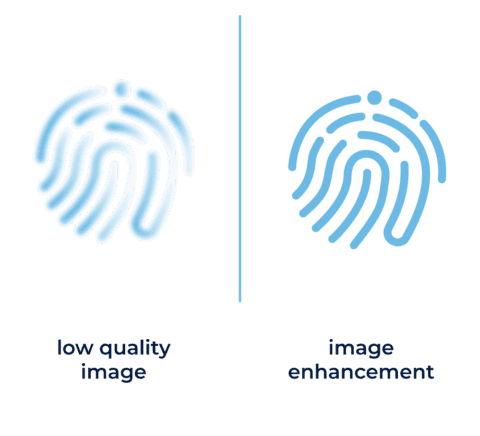
The first step is to capture an image of the fingerprint. This is typically done using specialized fingerprint scanners, which may utilize different technologies such as optical, capacitive, or ultrasound.
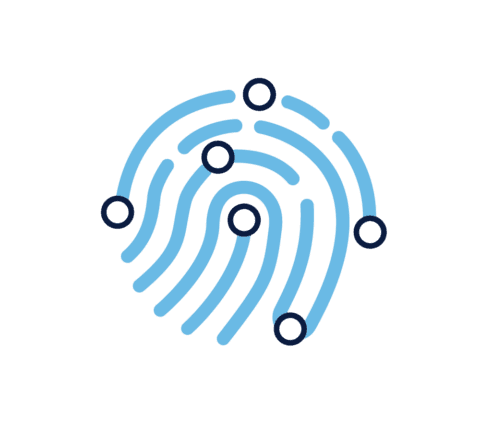
Once the fingerprint image is captured, the system extracts specific features from it. These include ridge endings, minutiae, bifurcations, and other unique characteristics of the fingerprint.
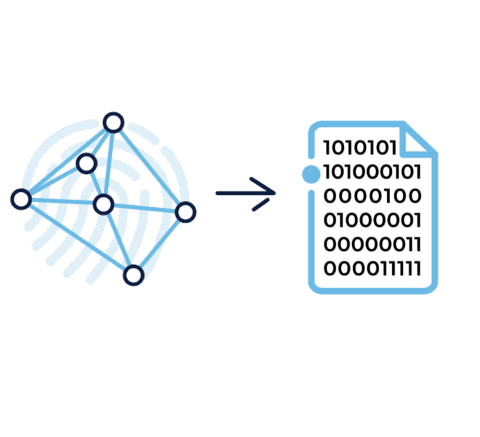
The extracted features are then used to create a digital template of the fingerprint, capturing its unique attributes and making it easier to compare with other records.
1:1 fingerprint verification is the process of confirming whether a captured fingerprint matches a single enrolled record. Instead of searching across an entire database, the system only checks if the person is who they claim to be. It requires extremely high accuracy, since even small errors can lead to false rejections or unauthorized access.
This type of verification is used every day for secure and convenient authentication. Employees can clock in at work using fingerprint readers, while civil registries rely on it to ensure a person’s claimed identity matches the records on file. It’s fast, simple, and reliable, and one of the most widely adopted biometric methods worldwide.
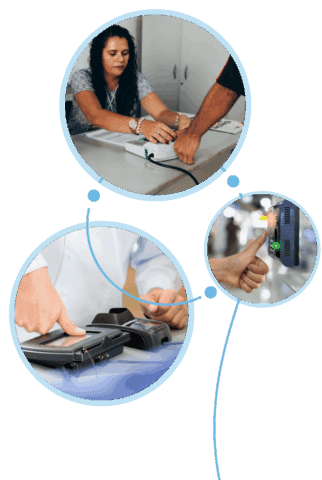
1:N fingerprint identification is the process of taking a single fingerprint sample and comparing it against a large database of stored prints to discover someone’s identity. Because the search may involve thousands or millions of records, systems need to be fast enough to deliver results instantly, and precise enough to avoid false matches.
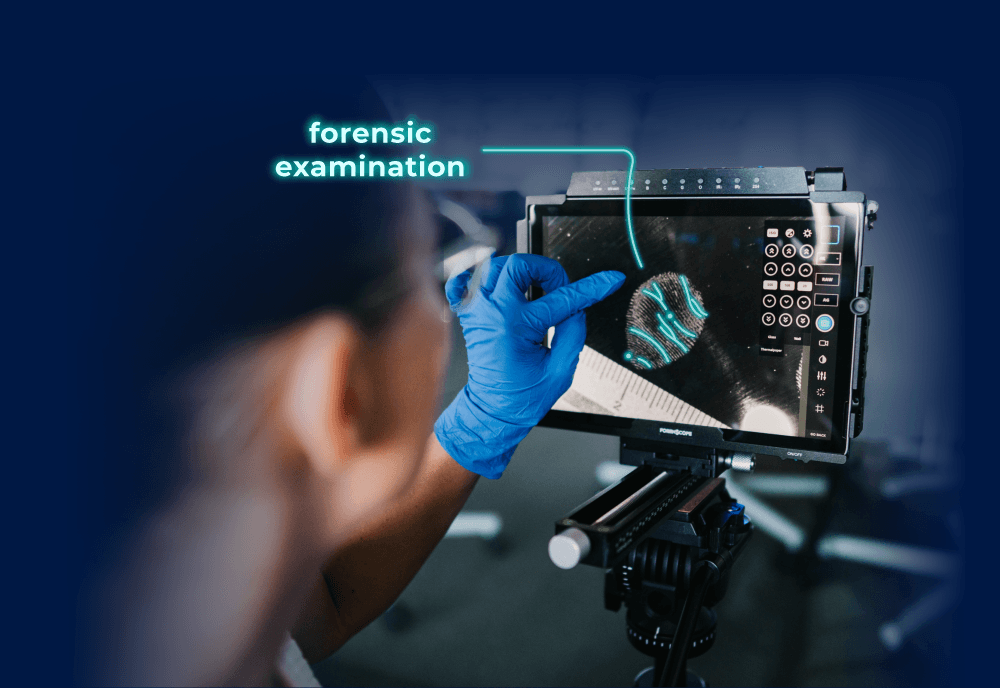
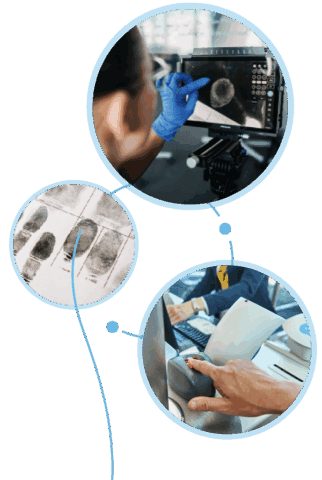
In real-world use cases, 1:N identification is vital for law enforcement, border security, and civil ID systems. Investigators can take latent prints from a crime scene and search it against national databases to identify a suspect. Border agencies can instantly check a traveler’s fingerprints against watchlists. Civil registries use it to prevent duplicate enrollments and ensure every citizen is registered only once.
Since 2004, Innovatrics have consistently ranked among the best in the world in independent biometric benchmark evaluations and certifications.
A key benchmark for evaluating fingerprint template generation and matching. High MINEX scores demonstrate interoperability and accuracy, critical for large-scale ID systems and border control programs.
Evaluates the accuracy and speed of proprietary fingerprint matching algorithms. Strong PFT II results demonstrate top performance in native systems, essential for forensic and high-security applications.
Essential for law enforcement working with latent fingerprints, where prints are often partial or low quality. Strong ELFT performance ensures faster, more accurate suspect identification.
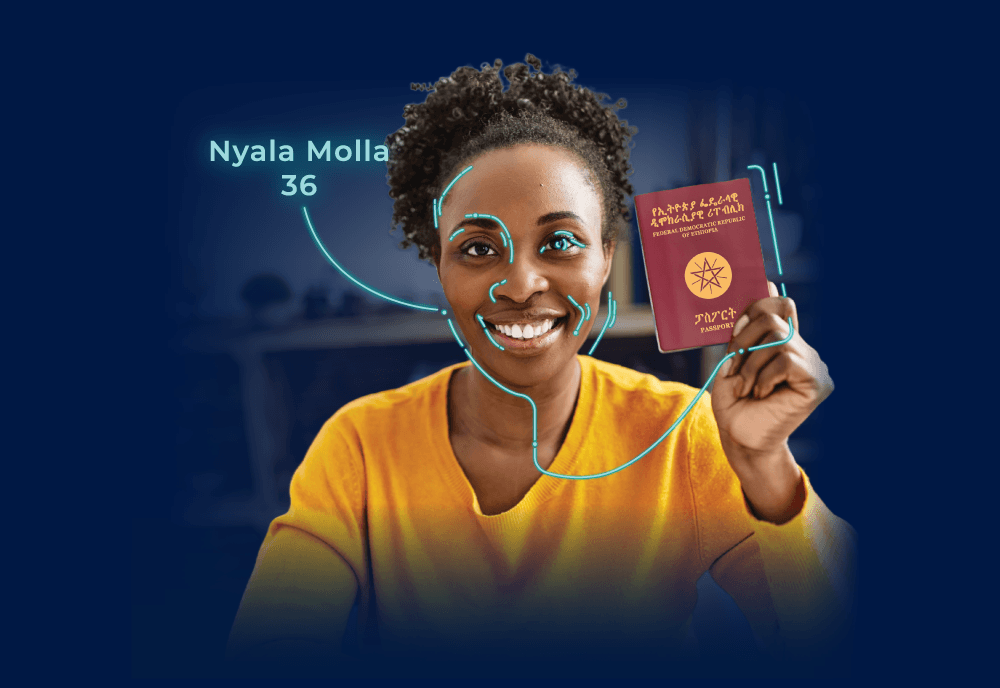
In national ID programs, fingerprint recognition makes sure every citizen has one unique and verifiable identity, building trust in government services and enabling secure digital access.
Find out how
Our passion for technology brings biometric benefits to millions of people.