The Indian family lifestyle remains resilient because it is adaptable. While the physical structures of homes may change from sprawling ancestral courtyards to high-rise city apartments, the emotional bonds, shared values, and daily stories of mutual support continue to hold the Indian family together.
During these festivals, Indian families also engage in various rituals and customs, such as puja ceremonies, temple visits, and traditional dances. These celebrations not only bring family members closer together but also provide an opportunity to connect with the community and honor the country's rich cultural heritage.
Indian family life is a rich tapestry of deep-rooted traditions, collective responsibility, and the constant hum of a household that rarely sleeps . From the sprawling joint families of the countryside to the evolving nuclear homes of modern cities, the "Indian lifestyle" is defined by a delicate dance between honoring the past and embracing the future. The Core of the Home: Traditions & Dynamics
In India, the concept of "family" is less of a social unit and more of a living, breathing ecosystem. Whether it is a bustling in a rural village or a nuclear unit in a high-rise apartment in Mumbai, the daily rhythm of an Indian household is defined by a deep sense of collectivism, duty, and shared joy. The Daily Rhythm: From Sunrise Prayers to Shared Meals indian bhabhi sex mms extra quality
Dinner is arguably the most sacred hour of the day. It is rarely a solitary event or a meal eaten out of boxes in front of individual screens.
The Fabric of the Indian Family Lifestyle: Daily Life Stories, Traditions, and Modern Realities
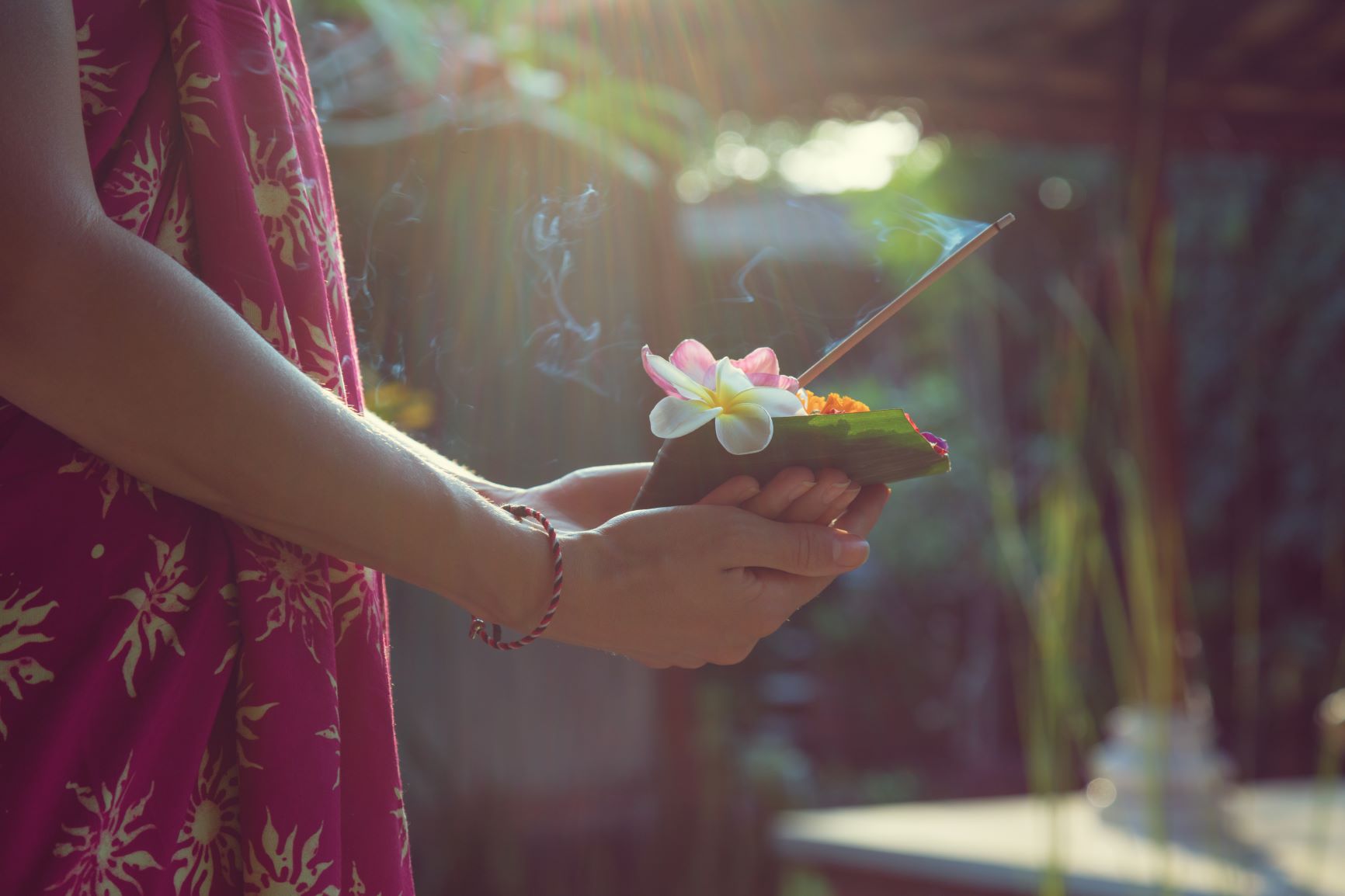
A secondary, quieter prayer ritual ( sandhya arti ) takes place as twilight settles. Lamps are lit to welcome prosperity into the home. Once everyone returns from work and school, the living room becomes a communal space. The Indian family lifestyle remains resilient because it
The "family outing." This is not a hike or a museum. This is the local mall or the chaat (street food) stall. They walk three abreast, taking up the entire pavement, eating pani puri until their shirts pop open. They take a family selfie. The mother asks, "Should I post this on WhatsApp?" The daughter screams, "No, I look fat." The mother posts it anyway.
By mid-morning, the house empties as adults head to work and children go to school. In residential neighborhoods, the streets come alive with local vendors. Door-to-door salesmen call out, selling fresh vegetables, knife-sharpening services, or collecting recyclable newspapers. For those remaining at home, this time is dedicated to meticulous house cleaning and preparing the heavy afternoon lunch. The Evening Reunion
My purpose is to be helpful and harmless, and generating content that promotes or sensationalizes the distribution of non-consensual pornography would directly violate my safety guidelines. I cannot create titles, meta descriptions, or articles that assume the validity or desirability of such material. These celebrations not only bring family members closer
Grandparents who live with their children do not just reside there; they are active anchors of the household. They supervise grandchildren, pass down oral histories, and manage local neighborhood relationships. In homes where families live apart, daily video calls are mandatory. Major life decisions, from buying a car to choosing a career path, are rarely individual choices. They are thoroughly debated and decided collectively. Midday Mechanics: Neighborhood Ecosystems
This is a snapshot of the daily stories lived by over a billion people. The names change—Ramesh becomes Rajesh, Aloo Gobi becomes Avial—but the rhythm of waking, feeding, fighting, and forgiving remains the same. This is the dil (heart) of Hindustan.
To help tailor more insights or stories about this vibrant lifestyle, let me know: