





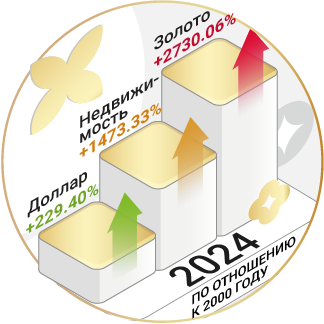

Уважаемый клиент!
Банк «Приморье» обновил сервис дистанционного обслуживания
Much of the slang utilized across the internet and within modern LGBTQ spaces originated from Black and Brown trans women. Terms like "spilling tea," "throwing shade," "reading," and "work" find their roots in trans and queer subcultures of the 1970s and 80s. 4. Internal Dynamics: Solidarity and Marginalization
Positive interactions and community participation help highlight high-quality content within platform algorithms. 5. Privacy and Digital Safety
Emerging in Harlem during the late 1960s and 1970s, the ballroom community was created by Black and Latine queer people who faced racism within established drag pageants. Led by trans icons like Crystal LaBeija, ballroom evolved into a highly structured subculture where participants "walked" in various categories to compete for trophies. The House System cute shemale tube best
At thirty, after a divorce that confused everyone but made perfect sense to her, Eleanor started to listen. At thirty-two, she whispered the truth to a therapist. At thirty-five, she told her mother, who said, “I’m losing my son,” and hung up. At thirty-six, she started estrogen. At thirty-seven, she took the photograph from the shelf, looked at the ghost of a man she never was, and whispered, “I’m sorry it took so long.”
For those outside the transgender community looking to support LGBTQ culture authentically, passive acceptance is not enough. Active allyship includes: Much of the slang utilized across the internet
The article should be informative and engaging, suitable for a general audience but with depth for those seeking real understanding. Structure is key. Start with an introduction that states the central relationship. Then provide historical context of the modern LGBTQ movement, highlighting trans contributions. Next, discuss the "T" within LGBTQ, addressing both solidarity and unique challenges like transphobia and the fight for inclusion. Then, explore the distinct elements of transgender-specific culture: history, language, milestones, subcultures. After that, examine tensions and points of unity, like the LGB drop the T debate and the importance of intersectionality. End with a conclusion that looks forward.
To understand LGBTQ+ culture today, one must look at the physical spaces where the modern movement began. In the mid-20th century, anti-queer laws and police harassment forced the entire community into the margins. It was within these margins that transgender women, gender-nonconforming people, and drag queens established critical safe havens. The Compton’s Cafeteria Riot (1966) Led by trans icons like Crystal LaBeija, ballroom
, the future involves fighting for:
The turning point of the modern movement occurred in June 1969 at the Stonewall Inn in New York City. When police raided the gay bar, it was trans women of color—most notably Marsha P. Johnson and Sylvia Rivera—who stood at the front lines of the resistance. Their defiance transformed a routine police raid into a multi-day uprising, sparking the creation of gay liberation organizations and the very first Pride marches.
Understanding the 'T' in LGBTQ+: More Than Just an Ally
The intersection of transphobia, racism, and misogyny creates a compounding crisis of violence. Transgender women of color, particularly Black trans women, experience disproportionately high rates of fatal violence, homelessness, and employment discrimination. Addressing these vulnerabilities remains a top priority for modern LGBTQ+ civil rights organizations. The Path Forward: Unity in Diversity